Why Heart Screening Matters
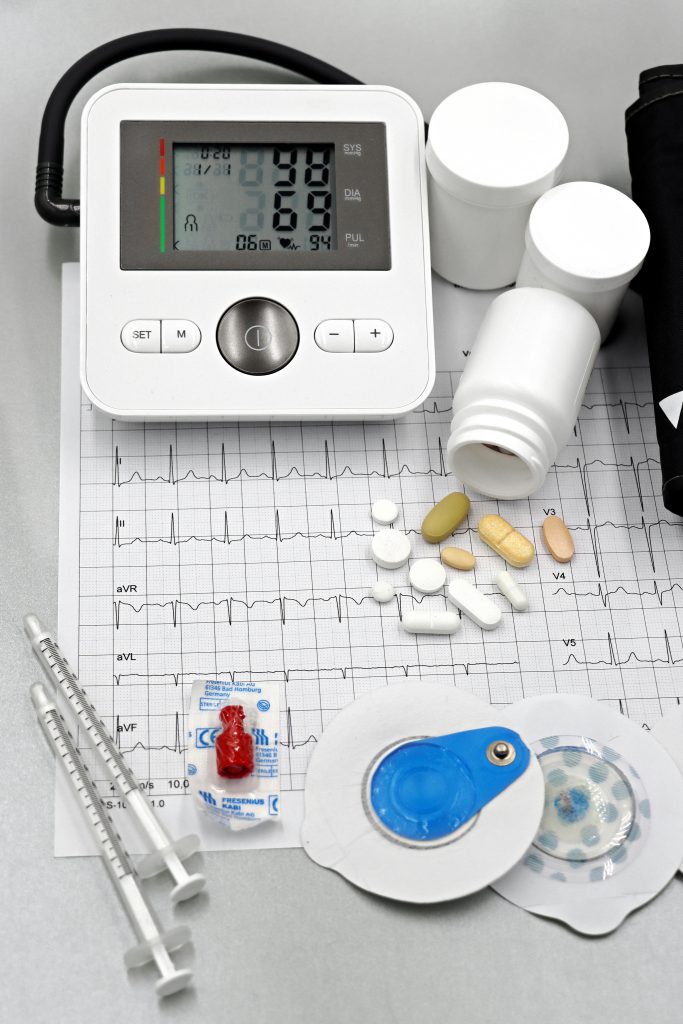
Heart disease remains one of the leading causes of illness and death worldwide, and Malaysia is no exception. Many heart problems build up quietly over years due to factors like high blood pressure, high cholesterol, smoking, diabetes, stress and lack of exercise. Heart screening is about checking how well your heart is functioning before serious symptoms appear. It does not replace emergency care when you have chest pain, but it can help identify risks early so that you and your doctor can act before a heart attack or stroke happens.
How Heart Screening Fits Into a Health Check-Up
In a general health screening, heart tests sit alongside blood tests, blood pressure measurements and imaging. If your history or lifestyle suggests a higher risk – for example, if you have a strong family history of heart disease, are a long-term smoker or already have diabetes or high blood pressure – your doctor may recommend adding specific heart screening tests. These tests do not just look for existing damage; they also help to show how much strain your heart is under and whether further investigation is needed.
| Test | What It Checks | Who Should Consider It | Notes / Limitations |
|---|---|---|---|
| Resting ECG | Electrical activity of the heart at rest; rhythm and basic patterns. | Most adults having a health screening, especially 30+ or with risk factors (blood pressure, cholesterol, diabetes, smoking, family history). | Quick and painless, but a normal ECG does not rule out all heart disease, especially problems that only show during exertion. |
| Stress Test (Treadmill) | Heart rhythm, blood pressure and symptoms while the heart works harder. | People with chest discomfort, breathlessness on exertion, multiple risk factors or abnormal resting ECG, as advised by a doctor. | More informative than resting ECG for some patients, but not suitable for everyone (e.g. certain joint, lung or heart conditions). |
| Echocardiogram (Echo) | Structure and pumping function of the heart; valves, chambers and muscle movement. | Individuals with abnormal ECG, heart murmurs, breathlessness, known heart disease or specific symptoms, based on medical advice. | Gives detailed structural information, but usually done when there is a clinical reason, not as a routine screening test for everyone. |
| Blood Tests for Heart Risk | Cholesterol profile, blood sugar, kidney function and other markers linked to heart disease risk. | All adults doing a health check-up, especially those with family history or lifestyle risk factors (diet, weight, smoking, inactivity). | Show long-term risk rather than immediate heart performance; results need to be interpreted together with lifestyle and examination. |
| Blood Pressure Measurement | Pressure of blood against artery walls; key indicator of cardiovascular strain. | Everyone, even younger adults, as high blood pressure often has no symptoms. | A single reading can be influenced by stress or “white-coat” effect; repeated measurements and home readings are often more accurate. |
Resting ECG: The Basic Heart Electrical Test
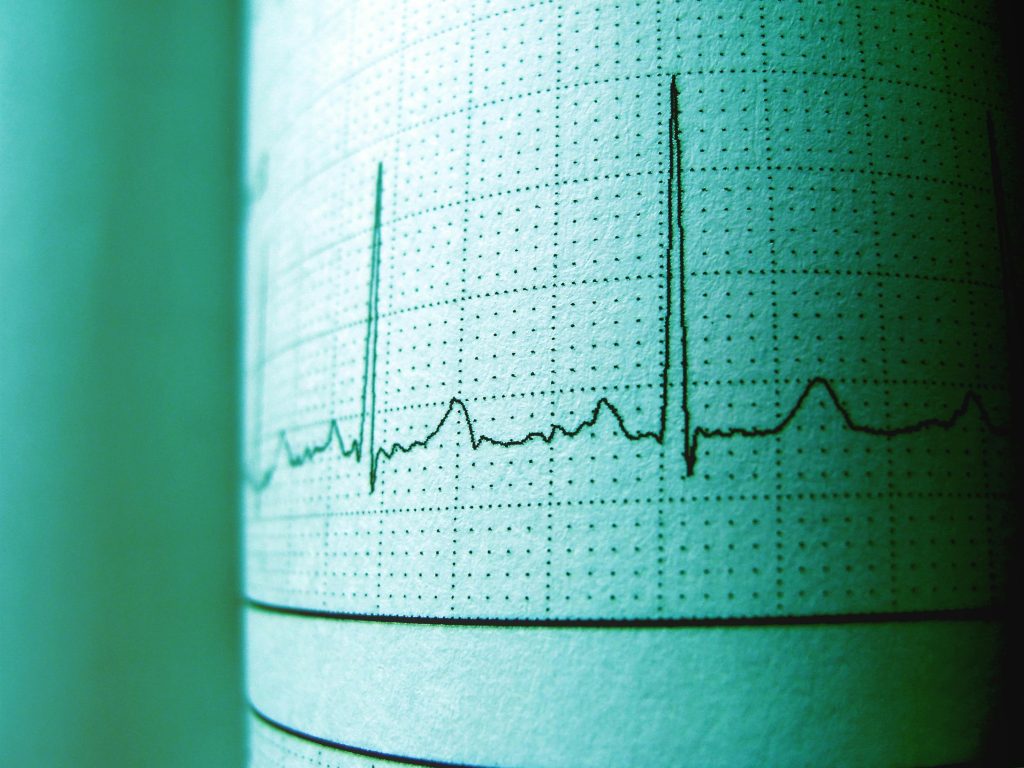
A resting electrocardiogram (ECG) is usually the first heart screening test. Small electrodes are placed on your chest, arms and legs to record the electrical activity of your heart while you are lying still. The test is painless and only takes a few minutes. The ECG trace can show heart rhythm problems, signs of old “silent” heart attacks and certain patterns that suggest your heart muscle may not be getting enough blood. A normal ECG is reassuring, but it does not rule out all types of heart disease, which is why it is interpreted together with your symptoms and risk factors.
Stress Test: Seeing How Your Heart Reacts to Exercise
A stress test, often called a treadmill test, looks at how your heart behaves when it has to work harder. During this test, you walk on a treadmill or pedal a bike while your ECG, heart rate and blood pressure are monitored at increasing levels of intensity. The aim is to see whether the blood supply to your heart is sufficient when demand rises. If you develop chest discomfort, breathlessness, abnormal rhythm or concerning ECG changes during the test, your doctor may advise further investigations. Stress tests are commonly used for people with chest symptoms, multiple risk factors or abnormal resting ECGs.
Echocardiogram: Ultrasound of the Heart
An echocardiogram, or “echo”, is an ultrasound scan of the heart. It uses sound waves to create moving images of your heart chambers, valves and pumping function. Unlike an ECG, which looks at the electrical signals, an echo shows the structure and movement of the heart. It can detect issues such as weakened pumping, thickened heart muscle, valve leaks or narrowed valves. Echo is more detailed than an ECG, but it is also more specialised and is usually requested when there is a specific reason, such as abnormal ECG findings, symptoms like breathlessness, or known heart disease.
Other Heart-Related Tests You May Hear About
In some centres, especially for higher-risk patients, you may hear about additional tests such as coronary calcium scoring by CT, more advanced imaging of the heart, or blood tests for heart-related markers. These tests are not part of every routine screening package and are usually considered on a case-by-case basis. They are generally reserved for people with a combination of risk factors, suggestive symptoms or worrying basic test results, rather than for everyone who walks in for a standard check-up.
Who Should Consider Heart Screening?
Heart screening is particularly relevant if you are in your mid-30s or older and have one or more risk factors such as high blood pressure, high cholesterol, diabetes, smoking, obesity, a sedentary lifestyle or a strong family history of heart disease at a young age. It is also important if you have symptoms like chest discomfort, shortness of breath on exertion, unexplained tiredness or palpitations. Even if you feel well, combining your risk profile with simple screening tests can help your doctor estimate your long-term heart risk more accurately.
Preparing for Heart Screening Tests
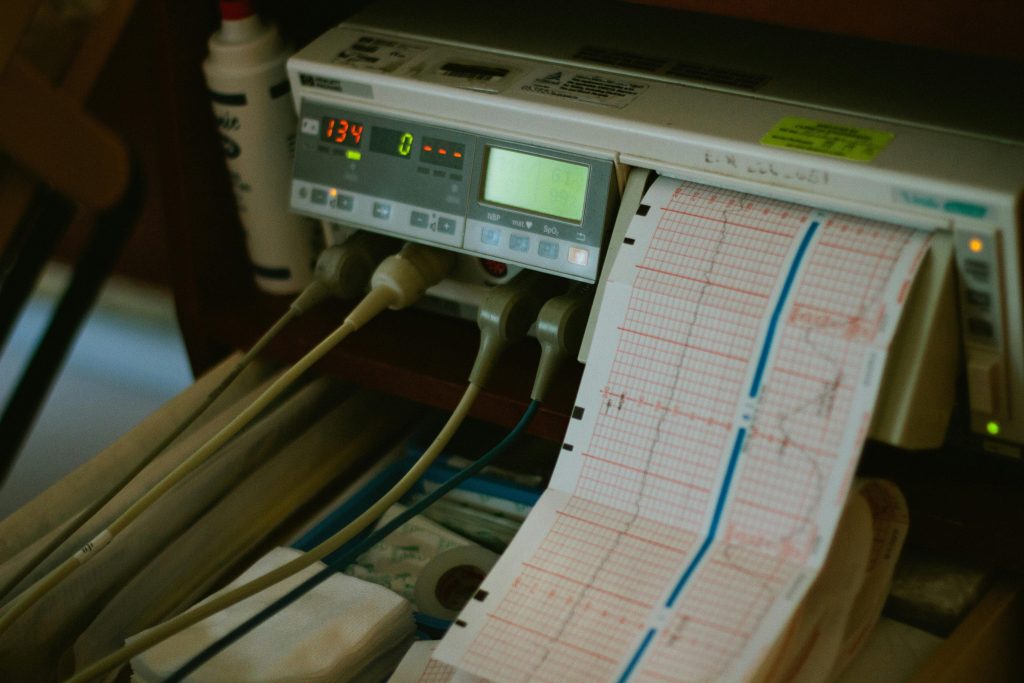
Most heart screening tests require only simple preparation. For a resting ECG, you simply need to be able to lie still for a few minutes; it is helpful to wear clothing that allows easy access to your chest and ankles. For a stress test, comfortable clothing and shoes suitable for walking or light jogging are important, and you may be asked to avoid a heavy meal and certain medications beforehand. Your doctor or the screening centre should explain any special instructions in advance, especially if you are on heart medications or have existing conditions.
Understanding the Limits of Heart Screening
While heart screening can provide valuable information, it is not perfect and cannot predict every future event. A normal ECG or stress test does not guarantee that you will never have a heart problem, just as an abnormal test does not automatically mean that something very serious is happening. Screening tests are designed to highlight areas that need closer attention, not to provide absolute guarantees. This is why results are always interpreted in the context of your age, symptoms, lifestyle and overall health.
Using Heart Screening Results to Protect Your Future
The real value of heart screening lies in what you do with the information afterwards. If your tests are reassuring, you can use that peace of mind as motivation to maintain healthy habits. If they show areas of concern, you gain a chance to act earlier – by improving your diet, exercising more consistently, managing stress, stopping smoking, taking prescribed medication or seeing a heart specialist for further evaluation. Seen in this way, heart screening is not just about numbers and graphs; it is a practical tool to help you take better care of your heart over the years ahead.
Useful Heart Screening Resources
For readers who want to explore more detailed information and guidelines about heart health and cardiovascular screening, these authoritative resources may be helpful:
-
World Health Organization – Cardiovascular Diseases
Global overview of cardiovascular diseases, risk factors, prevention and key statistics.
Visit WHO cardiovascular diseases page -
American Heart Association – Heart Health Screenings
Plain-language explanations of recommended heart health screening tests and when to start them.
Read about key heart health screenings -
RadiologyInfo – Cardiac (Heart) Screening
Patient-friendly guide to different cardiac imaging and screening tests, including what they show and how they are done.
Learn more about cardiac screening tests -
Institut Jantung Negara (IJN) – National Heart Institute of Malaysia
Malaysia’s leading heart centre, with information on heart services and dedicated heart screening packages.
Visit the Institut Jantung Negara website -
Ministry of Health Malaysia – Cardiovascular Guidelines & Initiatives
Professional guidelines and national efforts related to the prevention and management of cardiovascular disease in Malaysia.
View cardiovascular resources from MOH Malaysia
These links are provided for general reference only. HSC.com.my is an independent, information-focused website and does not endorse or promote any particular organisation, hospital or screening package. Always discuss your own risk factors and test options with a qualified healthcare professional.