First Time Doing a Health Screening? What You Can Expect
Why Health Screening Feels Intimidating (But Doesn’t Have to Be)
For many people, the idea of going for a health screening is more stressful than the actual tests. You may worry about needles, fasting, strange machines or “what if they find something?”. In reality, most check-ups follow a clear, step-by-step process: registration, basic measurements, blood and urine tests, possible imaging and a doctor’s review. Understanding what will happen ahead of time can reduce anxiety and help you get more value from the visit.
Step 1: Before You Book – Questions to Ask
Before confirming any health screening package, it’s worth asking a few simple questions:
- What does the package include?
– Which blood tests, heart tests and imaging are part of it? - Is it suitable for my age and risk factors?
– For example, do I actually need a stress test, or will a basic package do? - Is there a doctor’s consultation included?
– Will someone explain the results to me, or do I just get a report? - How much does it cost, and how often can I realistically repeat it?
– A moderate package you can afford every 1–2 years is often more useful than a one-off expensive check-up.
Some people also ask if their employer or government programmes offer free or subsidised screening. In Malaysia, for example, the PeKa B40 scheme gives eligible B40 adults access to free basic health screening through participating clinics.
Step 2: How to Prepare the Day Before
Most screening centres will give you specific instructions, but common preparations include:
- Fasting
- Usually 8–10 hours with plain water allowed, if fasting blood sugar or cholesterol tests are included.
- Medication
- Ask in advance whether you should continue your usual medicines the morning of the test.
- Sleep
- Try to get enough rest; lack of sleep can affect blood pressure and how you feel during tests.
- Clothing
- Wear comfortable clothes and shoes, especially if you have a treadmill (stress) test scheduled.
- Documents
- Bring your ID, referral letters (if any), list of medications and past reports if this is not your first check-up.
If you are nervous, write down your questions the night before so you don’t forget them during the visit.
Step 3: What Happens on the Day – Typical Flow
While details differ between centres, a first-time health screening often looks something like this:
- Registration & brief explanation
- Confirm your package, personal details and fasting status.
- Basic measurements
- Height, weight, BMI, blood pressure and pulse.
- Blood & urine tests
- Blood sample taken (usually from your arm) and urine sample collected.
- Imaging & other tests
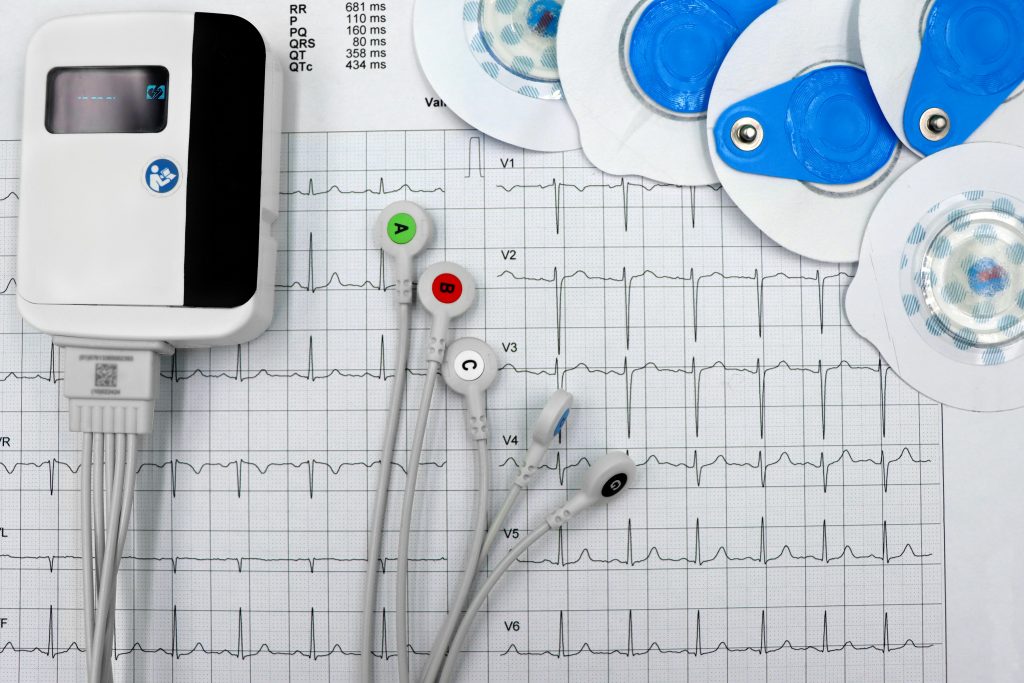
- Chest X-ray, ultrasound, ECG or other tests included in your package.
- Rest and refreshments
- Once fasting tests are done, many centres provide water, snacks or a light meal.
- Doctor’s consultation
- A doctor reviews your results, explains key findings and advises on follow-up.
Malaysia’s Ministry of Health notes that many standard screening tests are quite quick: blood and urine tests may take around 10 minutes, while ultrasound, stress tests or echocardiograms may take 30–60 minutes each, depending on the procedure and centre.
Step 4: Talking to the Doctor – Make the Appointment Count
The doctor’s review is where your screening becomes truly useful. To get the most out of it:
- Bring a list of your top 3 concerns (e.g. “family history of early heart disease”, “long-term stress”, “unexplained tiredness”).
- Ask for explanations in simple language if you don’t understand a term.
- Ask what you can change now (diet, exercise, sleep, weight, smoking) based on your results.
- Clarify whether you need follow-up tests or a repeat screening sooner than usual.
Think of this session as a planning meeting for your next few years of health, not just a one-off report discussion.
Step 5: After the Screening – What You Should Do Next
Once you receive your report and have spoken to a doctor:
- File your results safely – you’ll want to compare future tests against this baseline.
- Follow any agreed plan – such as medication, lifestyle changes or referrals to specialists.
- Schedule your next check – even if it is only in 1–3 years, having a rough timeframe keeps you accountable.
- Share relevant information with your regular GP or family doctor so everyone has the same picture.
Remember that health screening is a tool, not an end in itself. The benefit comes from what you do with the information.
A Quick Overview: Before, During & After
| Stage | What Usually Happens | What You Can Do |
|---|---|---|
| Before Booking | Compare packages, check what tests are included, ask about doctor consultation and total cost. |
– Match the package to your age and risk factors – Ask if any employer or government scheme can help with costs – Avoid choosing purely based on price or number of tests |
| Day Before | Receive instructions on fasting, medications and arrival time. |
– Follow fasting instructions carefully – Prepare a list of medicines and questions – Sleep early and plan your route to the centre |
| On the Day | Registration, basic measurements, blood/urine tests, imaging and heart tests as per package. |
– Wear comfortable clothes and shoes – Tell staff if you feel unwell or anxious – Drink water if allowed, especially after fasting |
| Doctor Review | Doctor explains key results, answers questions and recommends follow-up. |
– Ask about your overall risk, not just single numbers – Clarify what to change in lifestyle or medication – Confirm when to repeat screening or see a specialist |
| Afterwards | You leave with a report, advice and sometimes a follow-up appointment. |
– Keep your report safe for future comparison – Act on agreed changes – Put a reminder for your next screening date |
Managing Common Worries About Screening
It’s normal to feel nervous before your first health screening. Common concerns include fear of needles, fear of bad news or embarrassment about certain tests. A few simple reminders can help:
- Most blood tests use a fine needle and are over in seconds.
- Finding a problem early usually gives you more options, not less.
- Healthcare staff do these tests every day and are trained to maintain privacy and dignity.
- You can always ask for things to be explained step by step before they happen.
Framing screening as a form of self-respect and long-term planning—not punishment—can change how you feel about the process.