Cancer Screening for Men & Women
Cancer screening is about looking for early signs of cancer, or pre-cancerous changes, in people who do not have symptoms. The aim is simple: to find certain cancers earlier, when they are usually easier to treat, treatment options are less aggressive and survival rates are higher. Global health organisations emphasise that early detection—through both screening and timely diagnosis—can significantly improve outcomes and reduce the impact of cancer on individuals and families.
Screening tests are different from diagnostic tests. They are usually offered to people in certain age or risk groups who feel well. Not every person needs every test, and recommendations differ between countries. The right screening plan depends on your age, sex, family history, lifestyle and personal medical history.
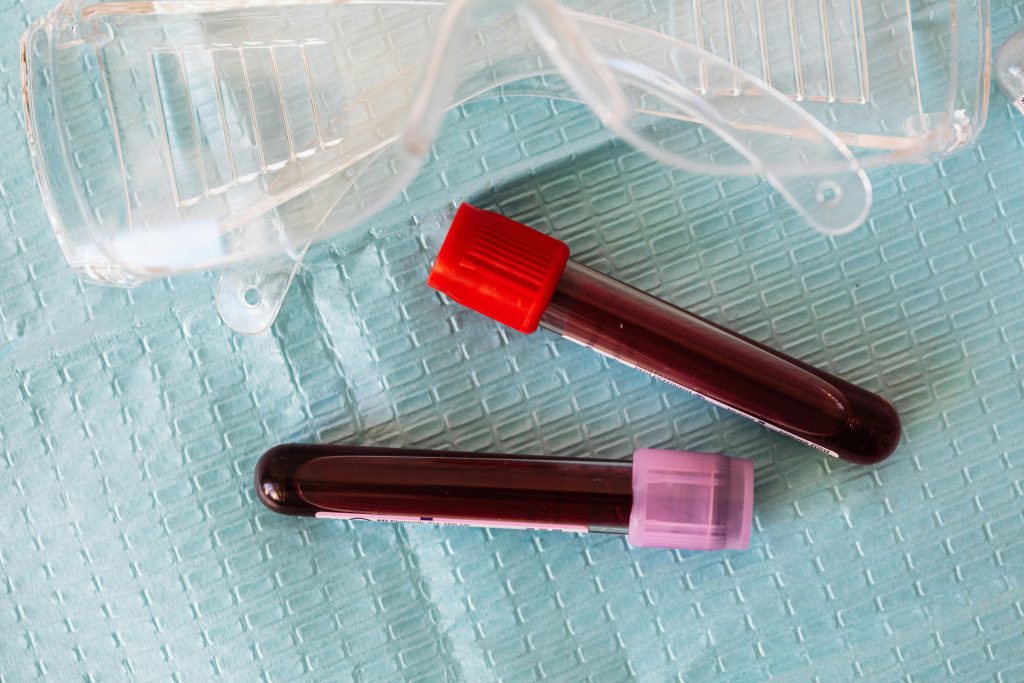
What Cancer Screening Is (and Is Not)
Cancer screening aims to:
- Identify certain cancers or pre-cancerous changes before symptoms appear
- Detect problems at an earlier, more treatable stage
- Give people a chance to take preventive steps or start treatment sooner
Cancer screening is not meant to:
- Guarantee that cancer will never occur
- Replace a full medical evaluation when you have symptoms
- Provide a “one size fits all” checklist for every person
Health authorities distinguish between early diagnosis (finding cancer quickly when symptoms are present) and screening (testing people who feel healthy but are at increased risk). Both are important in reducing late-stage cancer and improving survival.
Common Cancer Screening Tests for Women

For women, screening often focuses on cancers where structured programmes or clear test strategies exist:
- Breast cancer
- Mammography is widely used to detect breast cancer at earlier stages.
- Age to start and frequency vary by guideline, but many recommend regular mammograms from mid-life onwards for average-risk women.
- Cervical cancer
- Pap tests and HPV tests are used to detect pre-cancerous changes in the cervix.
- Regular screening can prevent many cervical cancers or catch them very early.
- Colorectal cancer
- Stool-based tests and colonoscopy can detect early cancers or pre-cancerous polyps in the large bowel.
- Screening is usually recommended from middle age, or earlier for high-risk groups.
Guidelines may also consider other cancers (for example, endometrial or lung in selected high-risk groups), but these are usually tailored to individual risk rather than offered to everyone.
Common Cancer Screening Tests for Men

For men, screening usually focuses on cancers where tests have clearer benefit for defined groups:
- Colorectal cancer
- Stool tests, sigmoidoscopy or colonoscopy are used to detect cancer or polyps.
- Most guidelines recommend starting at a certain age for average-risk adults, with earlier screening for high-risk individuals.
- Prostate cancer
- A PSA (prostate-specific antigen) blood test, sometimes combined with a digital rectal exam, may be offered after shared decision-making with a doctor.
- Many organisations advise that men discuss the pros and cons of PSA screening before starting.
- Lung cancer (selected high-risk groups)
- Low-dose CT scans may be considered for adults with significant smoking history in some national programmes.
- This is usually restricted to specific high-risk profiles and is not a general screening test for everyone.
Again, not every man needs every test. The decision to screen, and which tests to use, should always be discussed with a healthcare professional.
At a Glance: Key Cancer Screening Tests
| Cancer Type | Main Screening Test | Typically Considered For | Key Points |
|---|---|---|---|
| Breast (Women) | Mammogram | Women in mid-life and older, with timing and frequency based on age, risk factors and national guidelines. | Helps detect tumours before they can be felt; can reduce the risk of dying from breast cancer when done regularly. |
| Cervical (Women) | Pap test / HPV test | Sexually active women in defined age groups, with intervals determined by test type and guideline. | Screens for pre-cancerous changes; treating these changes can prevent cervical cancer from developing. |
| Colorectal (Men & Women) | Stool tests (e.g. FIT/FOBT) and/or colonoscopy | Average-risk adults starting from a certain age, with earlier screening for those with higher risk (e.g. strong family history). | Can detect early cancers and remove polyps before they turn cancerous; several test options exist with different intervals. |
| Prostate (Men) | PSA blood test ± rectal exam | Men in selected age ranges who choose screening after discussing benefits and risks with a doctor. | May help detect prostate cancer earlier but can also find slow-growing cancers that might never cause problems. |
| Lung (High-Risk Adults) | Low-dose CT scan | People in specific high-risk groups (for example, long-term heavy smokers), according to national policies. | Not a general screening test; usually offered only when potential benefits outweigh the risks of radiation and false alarms. |
How to Decide if Screening Is Right for You
When thinking about cancer screening, it helps to ask:
- What is my age and sex?
- Do I have a strong family history of certain cancers?
- Do I smoke, or have I smoked heavily in the past?
- Do I have other conditions (e.g. inflammatory bowel disease, certain genetic syndromes) that change my risk?
- How would I feel about further tests or treatment if a screening test finds something?
Most guidelines encourage shared decision-making: you discuss the benefits, risks and alternatives with your doctor, then decide together which tests make sense for you at this stage of life.
Useful Cancer Screening Resources
For readers who want to explore evidence-based recommendations and local services, these authoritative resources may be helpful:
-
World Health Organization – Cancer Fact Sheet
Global overview of cancer, early detection and the role of screening programmes.
Visit the WHO cancer information page -
World Health Organization – Cancer Screening & Early Detection
Explains the concepts of cancer screening, early diagnosis and how countries implement programmes.
Learn more about cancer screening and early detection -
American Cancer Society – Guidelines for the Early Detection of Cancer
Detailed, regularly updated screening recommendations by cancer type and age group.
Read the American Cancer Society screening guidelines -
American Cancer Society – Screening Recommendations by Age
Age-based summary of which screening tests to discuss with your doctor at different stages of adult life.
View screening recommendations by age -
National Cancer Society Malaysia (NCSM)
Local cancer and health screening services, education and support for people in Malaysia.
Visit the National Cancer Society Malaysia website -
Ministry of Health Malaysia – Early Detection of Common Cancers
Technical module for healthcare providers that also reflects national priorities in early detection and screening.
Download the MOH early detection module (PDF)
These links are provided for general reference only. HSC.com.my is an independent, information-focused website and does not endorse any specific guideline or service. Always discuss your own risk factors and screening options with a qualified doctor.
Cancer screening is ultimately about time. When certain cancers are found early – before they cause pain, bleeding, weight loss or other obvious symptoms – treatment is often simpler, more focused and far more effective. Tumours that are still small or confined to one area are easier to remove or control, and there is a better chance of preserving normal organ function. That is why screening programmes for cancers like breast, cervical and colorectal disease consistently show better survival rates when people are diagnosed at an early stage compared to those who only seek help once symptoms are severe. Early detection does not turn cancer into something “easy”, but it can turn a life-threatening emergency into a more manageable medical plan.
At the same time, screening is not a magic shield or a one-time guarantee. It works best when it is tailored to the right people, at the right ages and intervals, using tests that have been shown to actually improve outcomes. Some cancers still do not have good screening tests, and even the best tests can miss disease or pick up findings that turn out to be harmless. This is why most guidelines emphasise informed choice and shared decision-making. When you understand what a test can and cannot do, you and your doctor can decide together which screenings are worth doing now, which can safely wait, and how to follow up afterwards.
The key idea is simple: cancer screening gives you a chance to act earlier than you otherwise could. For many people, that time window translates into more options, less aggressive treatment, a higher chance of cure and, in some cases, many extra years of life. When used thoughtfully and combined with awareness of symptoms, healthy lifestyle choices and regular medical care, early detection becomes one of the most powerful tools we have in improving cancer survival and reducing the impact of the disease on patients, families and communities.