
HSC Health Screening
& Preventive Care in Malaysia
HSC.com.my is a simple, information-focused website dedicated to health screening and preventive care in Malaysia. Our aim is to help you understand common medical check-up packages, blood tests, heart and cancer screening, and other key preventive health services. We break down medical terms into plain English so you know when to consider a check-up, what usually happens during a screening, and how early detection can make a big difference to your long-term health.
68%
of adults say they only go for a check-up when they already feel unwell.
Many adults still see medical check-ups as something you do only when there is pain, discomfort or obvious symptoms. The problem is that conditions like high blood pressure, high cholesterol and early-stage diabetes seldom show clear warning signs. By the time symptoms appear, the disease may already be more advanced and harder (and more expensive) to treat. Regular health screening shifts the approach from “treat when sick” to “detect early and stay in control”.
3 in 5
common chronic conditions (like diabetes & hypertension) are often picked up during routine screening.
A large share of common chronic conditions – such as diabetes, hypertension and high cholesterol – are first discovered during routine screening or basic blood tests. People often feel “normal” and assume they are healthy, until a simple check-up shows numbers outside the healthy range. Detecting these issues early gives doctors and patients time to adjust lifestyle, start medication if needed, and prevent more serious complications like heart attack, stroke or kidney damage later on.
90%
of many cancers have better outcomes when detected at an early stage.
For many types of cancer, early detection is strongly linked to better treatment options, higher survival rates and a better quality of life. When cancer is found at a late stage, treatment often becomes more aggressive, more expensive and less effective. Screening tests and paying attention to early warning signs can help catch certain cancers sooner, when they are still small, localised and easier to treat. Early detection does not remove all risk, but it can make a very real difference to long-term outcomes.
Most Common Health Screening Services in Malaysia
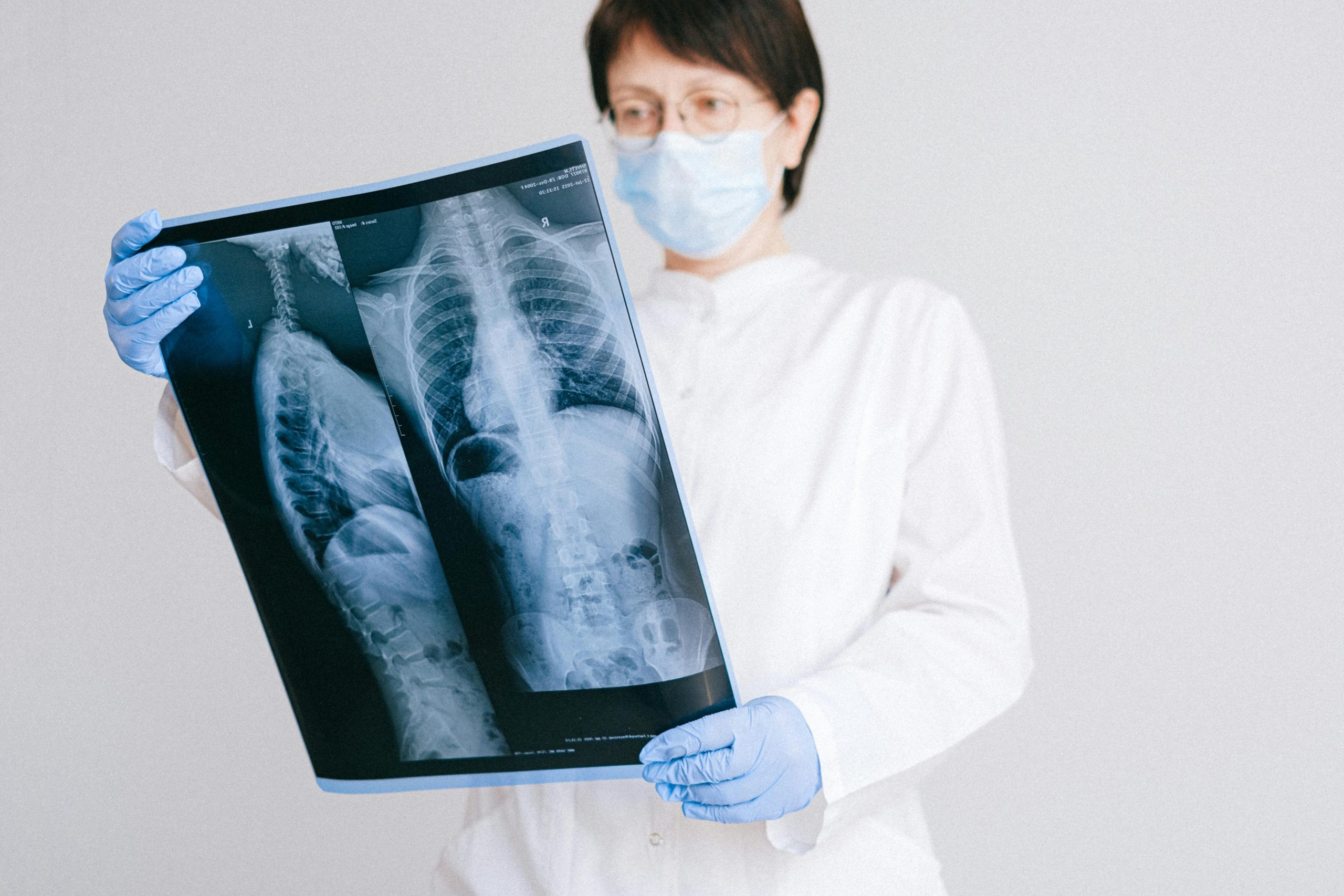
Chest X-Ray
Chest X-ray is often part of basic and executive health screening packages. It gives a quick view of the lungs, heart size and structures in the chest. Doctors use it to look for signs of lung infection, long-term smoking-related changes, old TB scars, fluid in the lungs or abnormalities around the heart. For many people, it’s a simple baseline test to make sure there are no obvious issues in the chest.
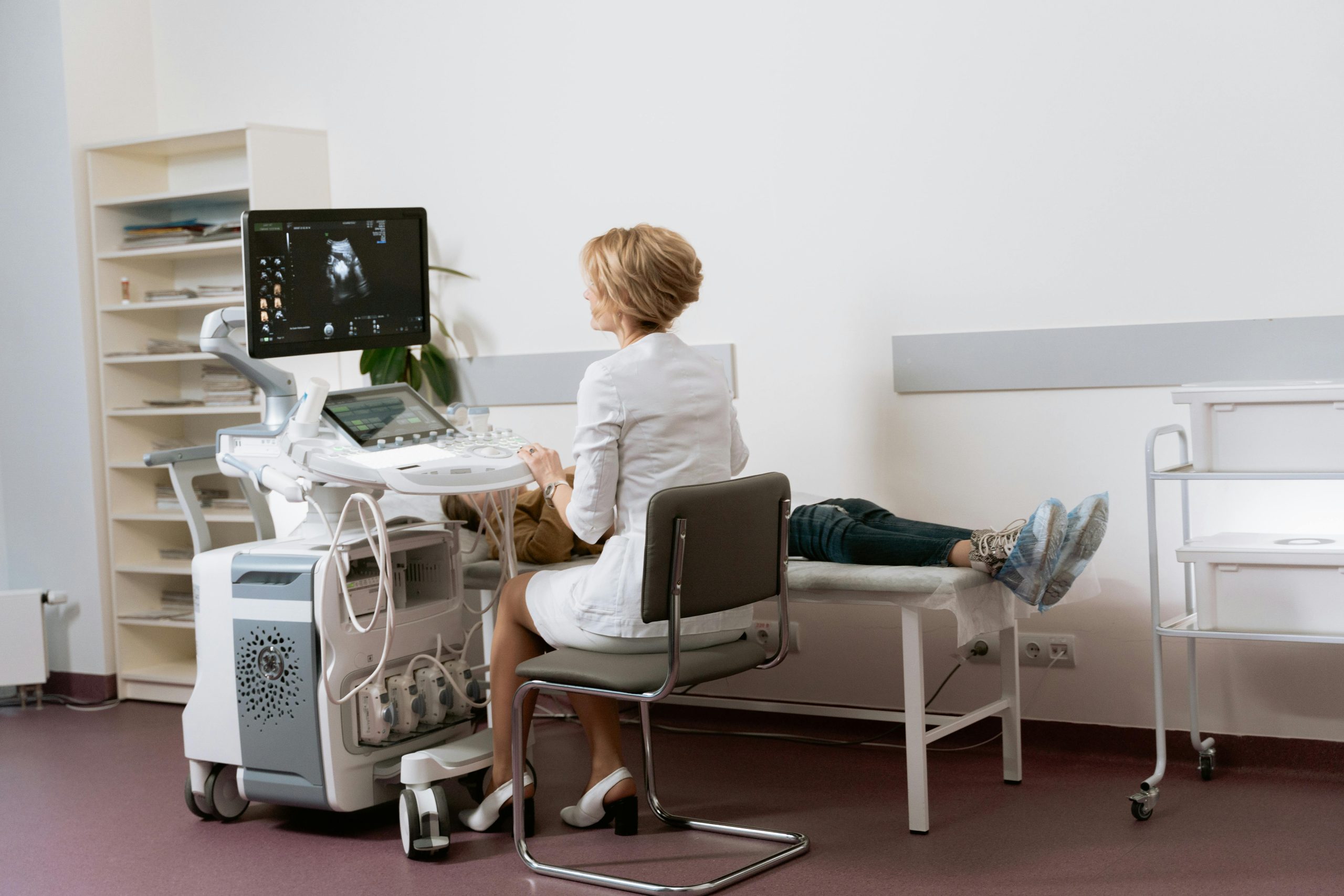
Abdominal Ultrasound
Abdominal ultrasound uses sound waves (bukan X-ray) to look at organs such as the liver, gallbladder, kidneys, pancreas and spleen. It is painless and non-invasive. This test helps detect problems like fatty liver, liver enlargement, gallstones, kidney cysts or masses, and sometimes early signs of organ damage. Many full body screening packages in Malaysia include an abdominal ultrasound because liver and gallbladder issues are quite common.

Cancer Screening Tests (Pap Smear / Mammogram / Prostate)
Cancer screening tests focus on picking up early signs of disease before symptoms appear, when treatment is usually more effective and less aggressive. For women, a Pap smear helps detect pre-cancerous changes in the cervix, while a mammogram is used to screen for breast cancer, especially from age 40 and above or earlier if there are risk factors. For men, a prostate-specific antigen (PSA) blood test is commonly used to screen for prostate problems, including possible prostate cancer. These tests do not guarantee that cancer will never occur, but they significantly increase the chances of finding problems at an earlier, more treatable stage, which can lead to better outcomes and a better quality of life.
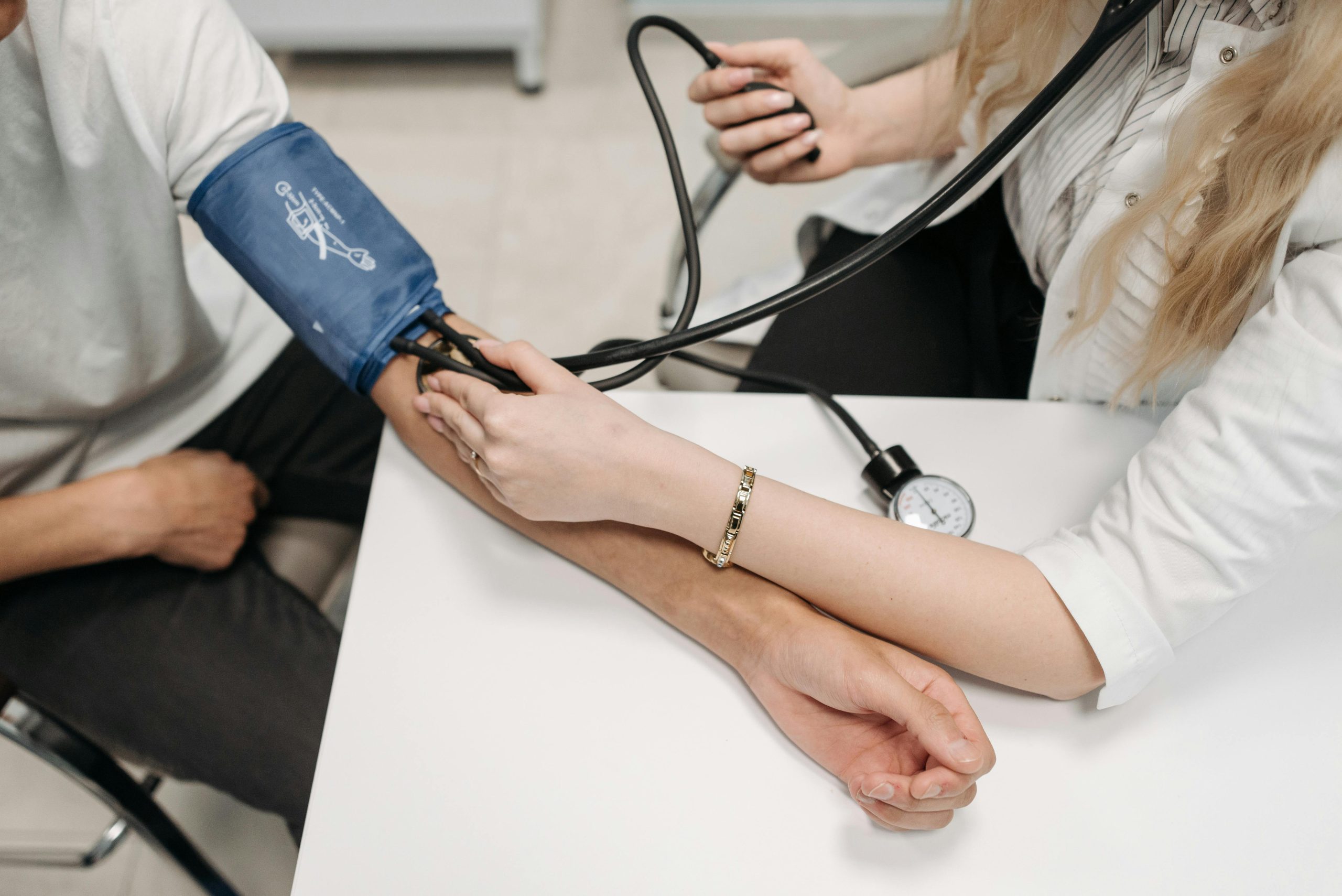
Blood Pressure & Basic Vitals
Blood pressure, heart rate, weight and BMI are usually the first things checked during any health screening. High blood pressure often has no symptoms but quietly increases the risk of heart attack, stroke and kidney disease. Simple, painless measurements like these give a quick snapshot of your overall cardiovascular risk and are an easy starting point for preventive care.
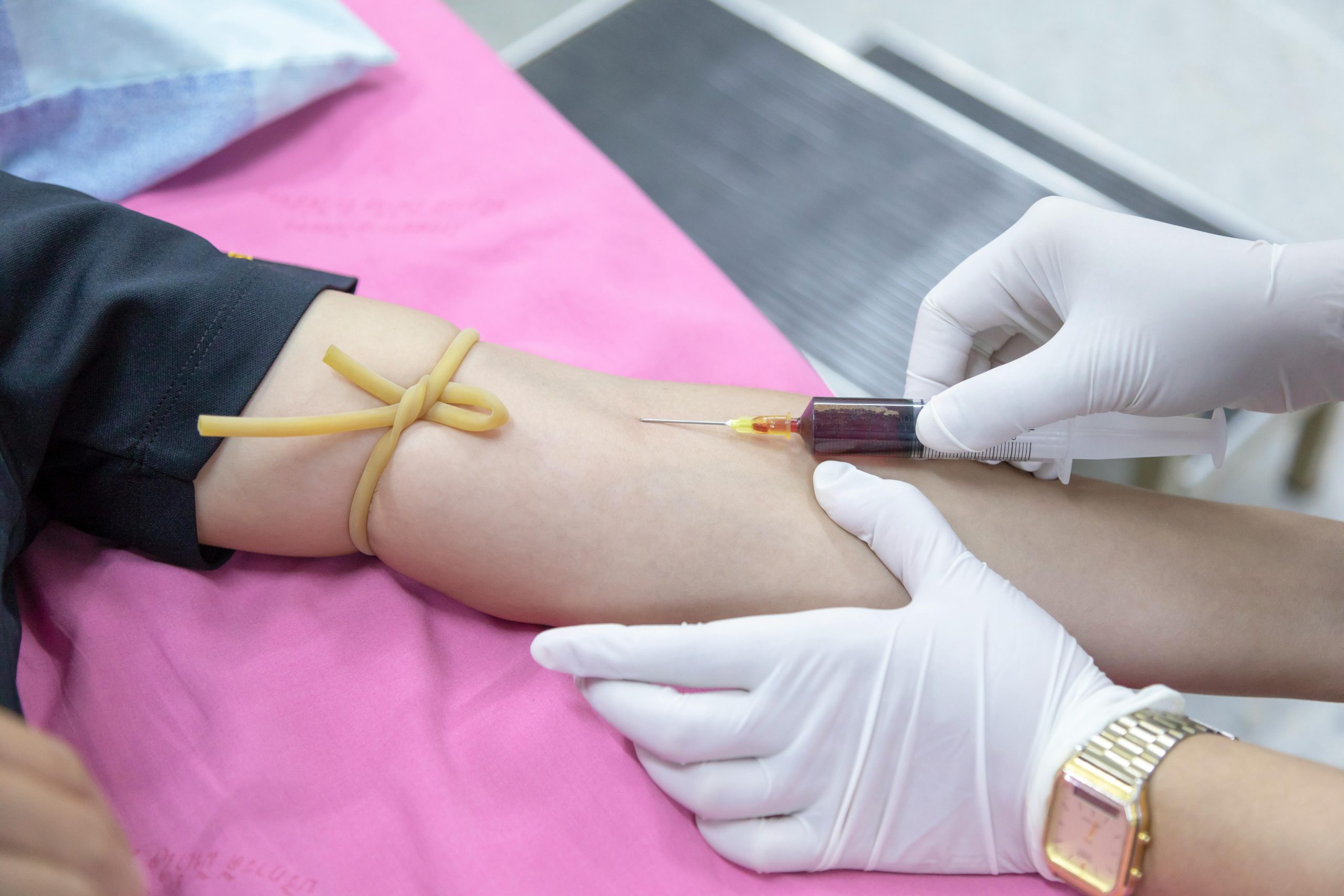
Blood Tests (Glucose, Cholesterol & Basic Panel)
Blood tests are the core of most check-up packages. Common tests include fasting blood sugar, HbA1c (long-term sugar control), cholesterol profile, kidney function, liver function and full blood count. These results help detect conditions such as diabetes, high cholesterol, anaemia and organ problems early, long before symptoms become obvious.

Heart Screening (ECG / Resting ECG)
An electrocardiogram (ECG) is a simple test that records the electrical activity of your heart. It can help pick up irregular heart rhythms, previous silent heart damage and other potential issues. For people with risk factors such as family history, high blood pressure, diabetes or high cholesterol, ECG is often included as part of a basic heart screening package.

Why Regular Health Screening Is Important
Many serious health problems start quietly, without any obvious symptoms. Conditions like high blood pressure, high cholesterol, diabetes and even some cancers can develop slowly while you still feel “normal”. By the time symptoms appear, the disease may already be more advanced, harder to treat and more expensive to manage. Regular health screening helps to pick up these issues earlier, when treatment is usually simpler, more effective and less costly.
Screening also allows you and your doctor to track changes in your health over time. Instead of guessing, you can see clear trends in your blood pressure, blood sugar, cholesterol and other key markers. This makes it easier to adjust your lifestyle, improve your diet, exercise more wisely and start treatment if needed before complications such as heart attack, stroke or kidney damage occur.
Most importantly, regular check-ups give you clarity and peace of mind. Knowing your numbers – rather than worrying in silence – helps you plan better for your future, take care of your family and stay in control of your long-term health.
Three Things You Must Know About Health Screening
Get Your Screening Done When You’re Still Feeling Fit and Healthy
Many people wait until they feel unwell before seeing a doctor, but health screening works best when you feel fine. The goal is to pick up silent risk factors – like high blood pressure, high cholesterol or raised blood sugar – before they start causing damage or obvious symptoms.
Numbers give you a clearer picture than feelings
Feeling “ok” is not the same as knowing your health status. Check-ups give you actual numbers and trends for key markers such as blood pressure, cholesterol and blood sugar. With this information, you and your doctor can make more informed decisions about lifestyle changes, follow-up tests or treatment if needed.
The right screening plan is personal
Not everyone needs the same test at the same age. Your ideal screening plan depends on your age, family history, existing conditions and lifestyle. General guidelines are useful, but the most reliable approach is to discuss your situation with a healthcare professional and agree on a schedule that fits your risk profile and goals.
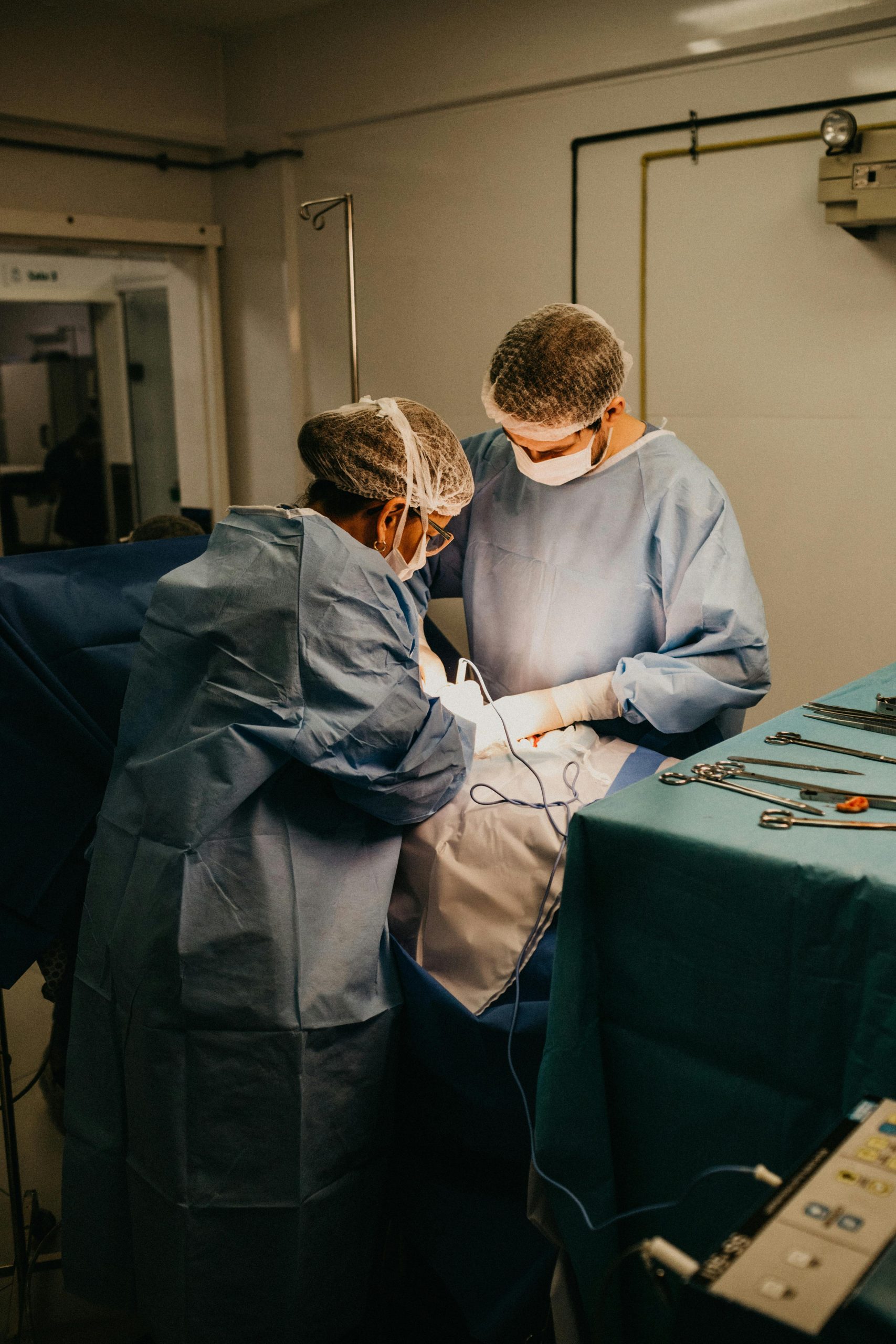
Early Detection Saves Lives. Get a Health Screening Today.
Who Should Consider Health Screening?
Health screening is not just for people who are already sick. It is most useful for people who still feel well but may have hidden risks. Adults in their 30s and above, especially those with a busy or stressful lifestyle, should start thinking about regular check-ups. If you have a family history of heart disease, stroke, diabetes, high blood pressure, high cholesterol or certain cancers, screening becomes even more important because your risk may be higher than average. People who smoke, are overweight, sleep poorly, rarely exercise or have a high-pressure job can also benefit from a basic health screening to see where they stand. Even if you feel “fine”, knowing your numbers early gives you more time to make changes before problems become serious.
How Often Should You Get a Check-Up?
There is no single schedule that fits everyone, but a few simple guidelines can help. Healthy young adults with no symptoms and no strong family history of disease may only need a general check-up every two to three years. From around age 35–40 onwards, many people choose to go for screening every one to two years, especially if their work and lifestyle are demanding. If you already have known conditions such as diabetes, high blood pressure, high cholesterol or heart disease, your doctor may recommend more frequent monitoring and specific tests. Health screening should not replace medical advice – it should support it. The best approach is to discuss your age, risk factors and concerns with a doctor, then agree on a screening schedule that makes sense for you.

What to Expect During a Health Screening
For most people, a health screening is a straightforward and fairly routine visit. After registration, you will usually start with basic measurements such as height, weight, blood pressure and pulse. If your package includes blood tests, you may be asked to fast beforehand, and a small sample of blood will be taken – this part is quick and done with a fine needle. Depending on the package, you may then go for other tests such as a chest X-ray, ECG, ultrasound or simple vision and hearing checks. Once the tests are completed, a doctor will normally review your results, explain any findings and advise you on next steps, such as lifestyle changes or further investigations if necessary. The entire process is structured and guided, so you will be told where to go and what to do at each stage, which helps reduce uncertainty and anxiety.
Costs & Planning Ahead
The cost of health screening in Malaysia can vary widely, depending on where you go and what is included in the package. Basic check-ups that cover blood tests and simple measurements are usually more affordable, while comprehensive or “executive” packages with imaging, heart tests and specialised screening can be more expensive. Instead of choosing purely based on price, it helps to think about your age, risk factors and what you actually need at this stage of life. Some people set aside a small budget each year specifically for screening, in the same way they plan for car service or insurance. Early detection can sometimes prevent more serious and costly problems later on, so a well-chosen check-up is better seen as an investment in your long-term health rather than a one-off expense.
The cost of common health screening packages in Malaysia can range from relatively basic, affordable options to more comprehensive, premium check-ups. Simple packages that include physical examination, basic blood tests and a chest X-ray are usually priced at the lower end, and are often enough for younger adults with fewer risk factors. More detailed “executive” or “full body” screening – which may include heart tests like ECG or stress test, abdominal ultrasound, more extensive blood work and cancer screening – naturally cost more and are often chosen by older adults or those with higher risk. Instead of assuming that the most expensive package is always the best, it is more sensible to match the package to your age, health history and concerns, and to ask what each test is for before you decide.
In the end, regular health screening is less about chasing tests and more about understanding your own health with a bit more clarity. Knowing your risks, your numbers and your options puts you in a stronger position to make decisions for yourself and your family, whether that means simple lifestyle changes, further tests or just the reassurance that things are on track. The right package, the right timing and the right follow-up will look different for each person, and should always be guided by professional medical advice. HSC.com.my exists to support that process by giving you clearer information upfront, so your next conversation with a doctor or health screening centre can be calmer, more focused and more informed.