Understanding Blood Tests in Health Screening
Why Blood Tests Matter in Health Screening
Blood tests are one of the most important parts of any health screening because they show what is happening inside your body in a way you cannot feel or see. While you may feel “normal”, your blood can reveal early warning signs of diabetes, cholesterol problems, liver or kidney stress, and other conditions long before symptoms appear. In a check-up, blood tests act like a dashboard: they give you numbers and trends that help your doctor see where things are stable, and where action may be needed.

Blood Tests as Part of a Bigger Picture
It is important to remember that blood tests are not meant to stand alone. They are interpreted together with your medical history, physical examination, lifestyle and sometimes imaging or other tests. A single abnormal result does not always mean something is seriously wrong, and a single normal result does not guarantee perfect health. The value of blood tests comes from putting all the pieces together and watching how your results change over time.
| Blood Test | What It Checks | Why It’s Important | If Results Are Abnormal |
|---|---|---|---|
| Fasting Blood Sugar | Amount of glucose in your blood after a period of fasting. | Helps detect pre-diabetes and diabetes at an early stage. | May need lifestyle changes, repeat tests, or further assessment for diabetes. |
| HbA1c | Average blood sugar control over the past 2–3 months. | Shows long-term sugar control, not just a one-day reading. | Higher values suggest poor control and increased risk of complications. |
| Lipid Profile (Cholesterol Panel) |
Levels of total cholesterol, LDL, HDL and triglycerides. | Assesses your risk of heart disease and stroke. | May require diet changes, more exercise and sometimes cholesterol-lowering medication. |
| Full Blood Count (FBC) | Red cells, white cells and platelets in your blood. | Can reveal anaemia, infection, inflammation and some blood disorders. | Further tests may be needed to find the cause of low or high cell counts. |
| Liver Function Tests | Enzymes and proteins produced or processed by the liver. | Helps detect liver stress, damage or inflammation (e.g. fatty liver, hepatitis). | Doctor may advise lifestyle changes, repeat tests, ultrasound or specialist referral. |
| Kidney Function Tests | Waste products (e.g. urea, creatinine) and estimated filtration rate (eGFR). | Shows how well your kidneys are filtering and balancing fluids. | May prompt closer monitoring, medication review or further kidney investigations. |
| Uric Acid | Level of uric acid in the blood. | High levels are linked with gout and sometimes kidney stone risk. | May require diet changes, more fluids and in some cases medication. |
| Thyroid Function Tests | Hormones that show if the thyroid is underactive or overactive. | Thyroid imbalance can affect weight, energy, mood and heart rate. | Abnormal results may lead to further tests and thyroid medication if needed. |
| Inflammatory Markers (e.g. CRP, ESR) |
General level of inflammation in the body. | Can support the diagnosis of infections, autoimmune diseases or other conditions. | Usually interpreted together with symptoms; may lead to more targeted tests. |
| Vitamin B12 / Vitamin D | Levels of selected vitamins in the blood. | Deficiency can affect energy, nerves, bones and immune function. | May need supplements, diet changes and follow-up testing. |
Fasting Blood Sugar: Checking for Diabetes Risk
Fasting blood sugar is one of the most commonly used tests in health screening. It measures the level of glucose in your blood after you have fasted for several hours, usually overnight. High fasting sugar can indicate that your body is not processing glucose properly and may be a sign of pre-diabetes or diabetes. Even if the result is only slightly raised, it can be an early nudge to improve your diet, increase physical activity and lose excess weight before more serious problems develop.
HbA1c: Looking at the Bigger Time Frame
While fasting blood sugar reflects your glucose level at a particular moment, the HbA1c test looks at your average blood sugar control over the past two to three months. It does this by measuring how much sugar is attached to your red blood cells. A higher HbA1c means your blood sugar has been elevated for longer periods of time, which increases the risk of complications like nerve damage, kidney disease and heart problems. In screening, HbA1c helps identify people who are drifting into pre-diabetes, even if their fasting sugar is only borderline.
Lipid Profile: Understanding Your Cholesterol Numbers
The lipid profile is a group of tests that measure different types of fats in your blood, including total cholesterol, LDL (“bad” cholesterol), HDL (“good” cholesterol) and triglycerides. High LDL and triglycerides, combined with low HDL, increase the risk of heart disease and stroke. Understanding your cholesterol pattern is more useful than just knowing a single “total” number. If your results are not ideal, your doctor may suggest changes to diet, exercise and possibly medication to reduce your long-term cardiovascular risk.
Full Blood Count: Looking at Your Blood Cells
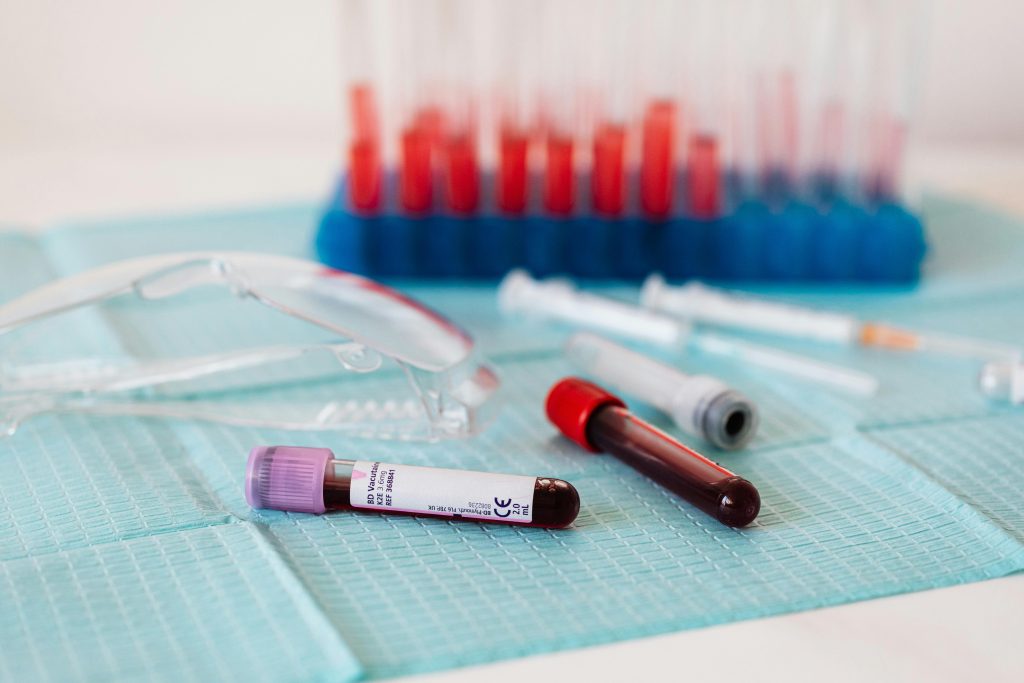
A full blood count (FBC) looks at the main types of cells in your blood: red blood cells, white blood cells and platelets. It can help detect anaemia, which may make you feel easily tired, short of breath or weak, even if you did not connect these symptoms to your blood. It can also show signs of infection or inflammation and, in some cases, more serious blood disorders. While many minor variations are not dangerous, a significantly abnormal full blood count will usually prompt further investigation.
Liver Function Tests: Monitoring Your Liver Health
Liver function tests measure enzymes and proteins that reflect how well your liver is working. Elevated levels can be caused by many things, including fatty liver, viral infections, alcohol use, certain medications or other underlying conditions. In countries where fatty liver disease is becoming more common, these tests are a useful way to catch early stress on the liver before permanent damage occurs. If your liver results are abnormal, your doctor may advise lifestyle changes, repeat tests or further imaging such as an ultrasound.
Kidney Function Tests: Checking Your Filtration System
Your kidneys are responsible for filtering waste products and excess fluid from your blood. Kidney function tests usually measure substances such as creatinine and urea, and may estimate your glomerular filtration rate (eGFR). Changes in these values can indicate that your kidneys are under strain or not working as efficiently as they should. Early kidney issues often have no obvious symptoms, so picking up a change on a screening test can be an important opportunity to act before more serious damage occurs.
Uric Acid and Other Common Markers
Many screening packages also include uric acid, which is related to gout when levels are too high, and can sometimes reflect dietary and metabolic patterns. Depending on the centre and package, additional markers such as thyroid function tests, inflammatory markers or vitamin levels may be included. Not every test is necessary for every person; the key is to choose markers that are relevant to your age, symptoms and personal risk profile, rather than simply collecting as many tests as possible.
Why Fasting Is Sometimes Required
Some blood tests, especially those that measure sugar and cholesterol, are more accurate or easier to interpret when done after a period of fasting. This usually means no food or sugary drinks for 8–10 hours, although plain water is allowed. Fasting helps ensure that your results reflect your usual baseline, rather than a spike after a recent meal. If you are unsure how long to fast or which medications to take before your test, it is always best to check with the clinic or your doctor in advance.
Interpreting Results: More Than Just “High” or “Low”
When you receive your blood test report, it often comes with “normal ranges” printed next to each result. These ranges are useful, but they are not the full story. A result just outside the range may be less worrying than it looks, while a result within the range may still need attention if it has changed significantly from your previous tests or does not match your symptoms. This is why interpretation by a doctor, who can see patterns and context, is so important.
Trends Over Time Are Just as Important as Single Results
One of the most valuable things about regular health screening is the ability to compare your blood test results over time. A cholesterol level that is slowly rising each year, or a blood sugar reading that creeps upwards from normal to borderline, tells a story about your health that a single test cannot. By paying attention to trends, you and your doctor can take action early – such as adjusting diet, activity, weight or medication – instead of waiting until a result suddenly becomes clearly abnormal.
Limitations of Blood Tests in Health Screening
Although blood tests are powerful tools, they also have limitations. A normal result does not guarantee that you have no disease, and an abnormal result does not always mean you have a serious problem. Some conditions cannot be detected by blood tests alone, and others need imaging, specialist assessment or additional investigations before a clear diagnosis can be made. The purpose of screening is to flag areas that deserve closer attention, not to replace full medical evaluation when needed.
Using Blood Test Results to Guide Better Decisions
Ultimately, the purpose of blood tests in health screening is not just to produce numbers on a page, but to guide better decisions about your health. When you understand what your results mean, you can make more informed choices about your lifestyle, follow-up tests and treatment options. Discussing your results calmly with a doctor, asking questions and agreeing on a realistic plan for follow-up turns your blood tests into something useful and practical, rather than something to fear or ignore.