Men’s Health Screening: Heart, Hormones and Silent Risks
Why Men’s Health Screening Matters

Worldwide, most premature deaths are caused by non-communicable diseases such as heart disease, stroke, cancer, diabetes and chronic lung disease. Screening and early detection are a key part of how health systems manage these conditions, alongside treatment and lifestyle change.
Men, in particular, carry a heavier burden of these diseases. Global estimates suggest that men are significantly more likely than women to die from non-communicable diseases before the age of 70, often because risk factors like high blood pressure, smoking, excess weight and unmanaged stress build up quietly over time. Health screening gives men a structured chance to check where they stand, long before a heart attack, stroke or advanced cancer forces them into hospital.
Why Many Men Delay Check-Ups

Even when they know screening is important, many men still delay getting checked. Common reasons include:
- “I feel fine, so I must be okay.”
- Fear of bad news or complicated treatment.
- Busy work and family commitments.
- Embarrassment about intimate exams or questions.
- The belief that going to the clinic is “only for when you’re sick”.
Unfortunately, conditions like high blood pressure, high cholesterol, early diabetes and some cancers often have no symptoms until they are more advanced. Screening is less about confirming illness and more about finding silent problems early enough to do something about them.
The Big Four for Men: Heart, Metabolism, Cancer and Mental Health
A sensible men’s screening plan usually focuses on four main areas:
- Heart and blood vessels
- Blood pressure
- Cholesterol (lipid profile)
- Blood sugar and HbA1c
- Sometimes ECG or stress tests, based on risk
- Cancer risk
- Colorectal screening (stool tests or colonoscopy)
- Prostate cancer discussion (PSA blood test)
- Lung cancer screening (low-dose CT) in selected high-risk smokers
- Hormones and sexual health
- Testosterone levels when there are relevant symptoms
- Erectile function, fertility concerns, and any signs of underlying disease
- Mental health and lifestyle
- Screening for depression, anxiety, alcohol use
- Honest discussion about sleep, stress, diet, physical activity and smoking
Most of these can be covered in a well-organised health screening visit, with follow-up tests if anything looks abnormal.
Heart & Metabolic Screening: The Cornerstone for Men

For most men, heart and metabolic screening is the most critical component:
- Blood pressure
- High blood pressure is one of the most important risk factors for heart attack and stroke, and it usually has no symptoms. Regular checks are essential for all adult men.
- Cholesterol and triglycerides
- A lipid profile helps detect patterns that increase the risk of clogged arteries. Lifestyle changes and, if necessary, medication can dramatically reduce long-term risk.
- Blood sugar and HbA1c
- These tests look for pre-diabetes and diabetes. Early detection allows men to adjust diet, weight and activity before complications set in.
- Weight, waist and BMI
- Central obesity (increased waist size) is linked to higher risk of diabetes, fatty liver and heart disease, even if weight is not extremely high.
Depending on age and risk factors, a doctor may also recommend a resting ECG or stress test as part of a more comprehensive check-up.
Cancer Screening for Men
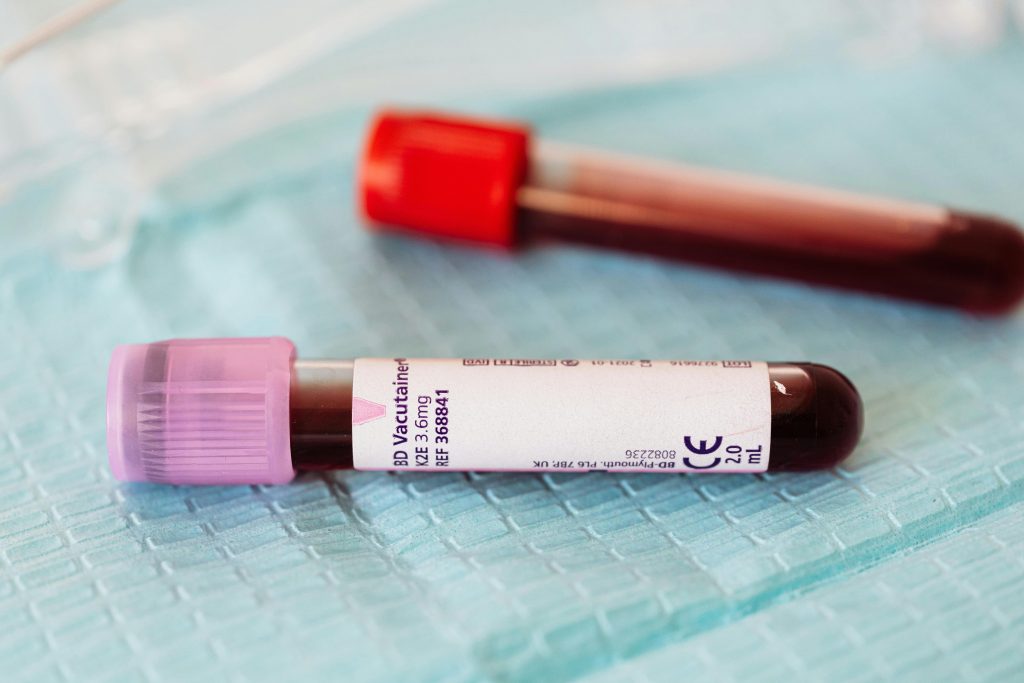
Cancer screening needs to be individualised, but common topics for men include:
- Colorectal cancer
- Around mid-life, many guidelines recommend regular stool-based tests or colonoscopy for average-risk adults, with earlier or more frequent testing for higher-risk groups.
- Prostate cancer
- A PSA blood test can help detect prostate cancer earlier, but it can also pick up slow-growing cancers that might never cause symptoms. Most expert bodies now recommend that men discuss the pros and cons of PSA screening with their doctor and make a shared decision, especially between about 50–69 years of age.
- Lung cancer (high-risk smokers)
- In some systems, long-term heavy smokers may be offered low-dose CT screening, but this is not a general test for all men and is usually based on strict risk criteria.
Screening should always be guided by age, family history, lifestyle and national recommendations rather than applied the same way to every man.
Hormones, Sexual Health and the “Embarrassing” Topics

Many men only seek help when symptoms become difficult to ignore, such as:
- Erectile difficulties
- Low energy, reduced muscle mass or low libido
- Fertility problems
These issues can sometimes be related to testosterone levels, but can also be early signs of cardiovascular disease, diabetes, depression or other hormonal problems. A thoughtful screening approach will:
- Ask about sexual and reproductive health in a non-judgmental way.
- Consider checking testosterone or other hormones when symptoms and history suggest it, not automatically for everyone.
- Explore underlying causes (sleep apnoea, obesity, medication side-effects, long-term stress).
Addressing these topics openly often leads to better overall health, not just better sexual function.
Mental Health, Stress and Lifestyle Screening

Men are often less likely to talk about mood, anxiety, burnout or alcohol use. Yet stress-related and mental health conditions are closely tied to physical health and NCD risk.
Simple screening questions can help identify:
- Persistent low mood, loss of motivation or enjoyment
- Sleep problems, irritability, difficulty concentrating
- Problematic alcohol use or reliance on substances to cope
- Thoughts of self-harm or feeling that life is “not worth it”
Including mental health in men’s screening makes it more likely that problems are caught early and support is offered before crises occur.
Summary Table: Key Screening Tests for Men
| Area | Test | What It Looks For | Who It Helps Most |
|---|---|---|---|
| Heart & Metabolism | Blood pressure, fasting sugar, HbA1c, lipid profile (cholesterol), weight & waist | Risk of heart disease, stroke and diabetes; early signs of metabolic syndrome. | All adult men, especially those with family history, overweight, smoking or sedentary lifestyle. |
| Heart Function | Resting ECG ± stress test | Rhythm problems, past silent heart damage, possible reduced blood supply to the heart. | Men with chest symptoms or multiple risk factors, as advised by a doctor. |
| Cancer (Bowel) | Stool tests (FIT/FOBT) and/or colonoscopy | Early colorectal cancer or pre-cancerous polyps in the large bowel. | Men in middle age and older, with earlier screening for higher-risk groups. |
| Cancer (Prostate) | PSA blood test ± rectal exam | Possible early prostate cancer or other prostate problems. | Men in selected age ranges who choose screening after discussing pros and cons with a doctor. |
| Lung (High-Risk Only) | Low-dose CT scan | Early lung cancer in long-term heavy smokers. | Men meeting strict smoking and age criteria, according to national guidelines. |
| Hormones | Testosterone & related hormone tests | Low testosterone and other hormonal imbalances affecting energy, libido and muscle mass. | Men with erectile problems, low libido, fatigue or other suggestive symptoms. |
| Mental Health | Simple screening questionnaires (for depression, anxiety, alcohol use) | Significant stress, depression or substance-related issues that may need support or treatment. | Any man with persistent mood changes, burnout, sleep problems or coping difficulties. |
Practical Tips for Men Planning a Screening
- Don’t wait for symptoms – screening works best before you feel unwell.
- Bring a list of your medications, supplements and past illnesses.
- Be honest about smoking, alcohol, diet, exercise and stress; hiding the truth only hurts you.
- Ask your doctor which tests are truly necessary for your age and risk, rather than just choosing the biggest package.
- Treat the visit as a performance review for your health, not a pass/fail exam.
Final Thoughts: Screening as an Investment, Not a Threat
Men’s health screening is not about searching for bad news. It is an investment in staying strong enough to work, support a family, enjoy hobbies and maintain independence for as long as possible. By checking heart risk factors, watching for certain cancers, addressing hormones and sexual health, and making space for mental health, men can catch problems earlier and act before they become emergencies. The goal is not perfection; it is steady, informed progress over time.